

If you are planning to study MBBS in Georgia, the tuition fee is only half the story. The other half is what you will spend every month once you land in Tbilisi: rent, food, metro rides, a mobile recharge and the occasional pizza with friends.
Parents ask about this early and they are right to. A realistic monthly budget for MBBS students in Georgia helps you plan funds, avoid last-minute stress and decide where to stay. In this guide, we will look at typical costs in Georgian Lari (GEL) and rupees and then at how a managed option like GRU International Hostel can make that budget simpler to plan.
A quick note on numbers. Everything below is an estimate built from the University of Georgia’s student guidance, Tbilisi Transport Company (TTC) fares and published cost-of-living guides for international students in Georgia. Individual spending varies a lot and exchange rates move. At the time of writing (November 2026), 1 GEL is roughly ₹36.5 at the mid-market rate, and I have used that for conversions. Please check the live rate before you transfer money.
Is Tbilisi Affordable for Indian MBBS Students?
For most families, yes, with some planning. Tbilisi is generally considered an affordable European capital and the cost of living in Georgia for Indian students is manageable compared with many Western cities.
It is not “cheap” in every category, though. The University of Georgia’s guidance for incoming students puts everyday living at about 900-1,100 GEL a month without rent, covering transport, food and recreation. The same guidance estimates housing at 800-1,500 GEL depending on location, which is higher than what most students sharing a flat or hostel actually pay. Other published guides for international students put total monthly spending including rent at roughly 1,200-1,900 GEL.
In real life, your spending depends on three choices:
- Where you live: distance from campus changes your transport and food costs.
- How often you eat out: this is the biggest swing in most student budgets.
- How disciplined you are with small expenses: coffee, snacks and taxis add up quickly.
A student who eats hostel meals and uses the metro will spend very differently from one who orders delivery every night.
Average Monthly Cost of Living in Tbilisi
Here is a planning table for monthly expenses in Tbilisi for a student living independently. These are my estimates, built from the sources named in this article, so treat them as a range rather than a promise. Tuition is not included.
| Expense | Monthly estimate (GEL) | Approx. INR |
| Accommodation (shared flat or hostel share) | 600-750 | ₹22,000-27,400 |
| Food and groceries | 400-600 | ₹14,600-21,900 |
| Transportation | 40-80 | ₹1,500-2,900 |
| Mobile and internet | 30-50 | ₹1,100-1,800 |
| Personal expenses (toiletries, clothing, laundry) | 80-150 | ₹2,900-5,500 |
| Entertainment and outings | 50-150 | ₹1,800-5,500 |
| Study materials and miscellaneous | 50-100 | ₹1,800-3,700 |
| Estimated total | 1,250-1,880 | ₹45,600-68,600 |
Accommodation is the biggest swing factor. Published guides put shared accommodation in Tbilisi at about 600-800 GEL a month. Food is the second biggest and the one you control most: published estimates for international students run from roughly 400 to 600 GEL. As a cross-check, 2026 cost-of-living guides for international students in Georgia put average monthly spending, including rent, at about 1,200-1,900 GEL, which is consistent with the range above. Medical insurance is not included. Georgian universities require international students to hold local health insurance, so ask your university for the yearly premium.
Accommodation Costs in Tbilisi for Indian Students
Accommodation cost in Georgia is usually the largest line in your budget and it is also the one students get wrong most often. You have three main options.
| Option | What it usually means | Things to watch |
| Private apartment | Rent a flat, often shared with other students | Separate bills for electricity, gas and internet, plus you arrange furniture and cooking |
| University dormitory | On-campus or university-linked rooms | Availability can be limited and facilities vary |
| Managed student hostel | Furnished room, shared with other students, with services included | Compare what the yearly fee actually covers |
Many first-year students lean towards a managed hostel because everything is arranged. You do not have to chase a landlord, set up Wi-Fi or figure out who pays the gas bill. A hostel like GRU International Hostel brings furnished rooms, daily Indian meals and round-the-clock security together under one roof.
When you compare student accommodation in Tbilisi, don’t look at rent alone. Ask about:
- Food and meal arrangements
- Security and CCTV
- Heating and air conditioning
- Laundry and housekeeping
- Distance from your university
A room that looks cheaper on paper can cost more once you add a daily taxi, a separate internet plan and every meal.
Your university’s location should come first. Once you know it, deciding where to stay in Tbilisi for Indian MBBS students gets much simpler and the best hostel near medical universities in Tbilisi, Georgia is usually the one that saves you a long daily commute. Students comparing hostel fees in Tbilisi will also find that many affordable Indian hostels in Tbilisi charge one yearly fee, so it pays to check what that fee actually includes.
Food and Grocery Expenses in Georgia
Food is the second big category and it is also where you have the most control.
Georgian cuisine is delicious, with khachapuri, khinkali and fresh bread everywhere, but most Indian students admit that after a few weeks they start missing dal, roti and rice. This is where Indian food in Tbilisi matters, both for your mood and your budget. It is also why the best Indian hostel in Tbilisi, Georgia is usually the one that gets the meals right.
You have three realistic options:
- Cook for yourself. Groceries are the cheapest route, but you also spend time shopping and cooking. Published estimates for students run from roughly 400 to 600 GEL a month, depending on how often you eat out.
- Eat out regularly. Convenient, but food expenses in Georgia add up fast if every meal is a restaurant meal.
- Choose accommodation with meals. This keeps food spending predictable, which helps when parents manage the budget from India. GRU International Hostel offers daily Indian meals for exactly this reason.
A realistic scenario: a student with a 9 am lecture and a 5 pm practical rarely wants to cook in between. Having a reliable Indian meal waiting at the hostel often saves both money and energy and it makes the first few homesick weeks easier.
Transportation Expenses in Tbilisi
Transportation costs in Tbilisi are among the easiest to manage. The city has a metro, buses and minibuses and most students use public transport daily.
According to the Tbilisi Transport Company’s tariff page:
- A single fare of 1 GEL gives 90 minutes of unlimited travel across the metro, buses, minibuses and the Bagebi-University ropeway, when you pay with a Metromoney card or a supported bank card.
- A Metromoney card costs 2 GEL.
- A one-month pass is 40 GEL (it needs a separate subscription card).
The TTC tariff page is dated 2019, so check ttc.com.ge for current fares. Some sources report a higher fare (1.5 GEL) when you pay with a foreign bank card, so a Metromoney card is usually the better option.
Other Monthly Expenses Indian Students Should Consider
A few smaller costs sneak in and quietly eat your budget:
- Mobile plan: You will want a local SIM for calls, banking and ride apps.
- Toiletries and daily items: Shampoo, detergent and kitchen basics add up.
- Clothing: Tbilisi winters are properly cold, so a good jacket is not optional.
- Entertainment and outings: Cinema, cafés and weekend trips add up. Fun is part of student life, so budget for it.
- Study materials: Printouts, stationery and some books.
- Unexpected costs: A doctor’s visit, a lost charger or a last-minute trip home.
- Medical insurance: Required for international students in Georgia. Ask your university for the yearly premium.
Keep a small emergency buffer separate from your monthly budget, so a surprise expense does not disturb your food money.
Why Choose GRU International Hostel for Student Accommodation?
For students who want a managed setup, GRU International Hostel is a student accommodation option in Tbilisi built around the daily needs of Indian students. Instead of arranging a flat, groceries, Wi-Fi and laundry separately, you get most of it in one place.
What You Get at GRU International Hostel
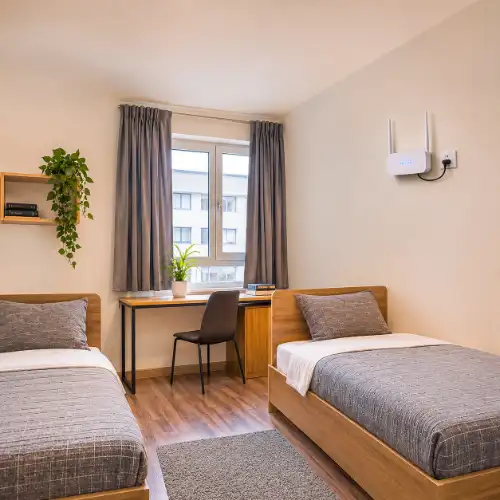
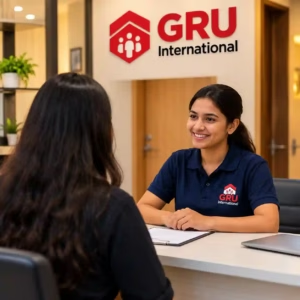
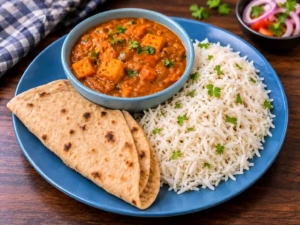
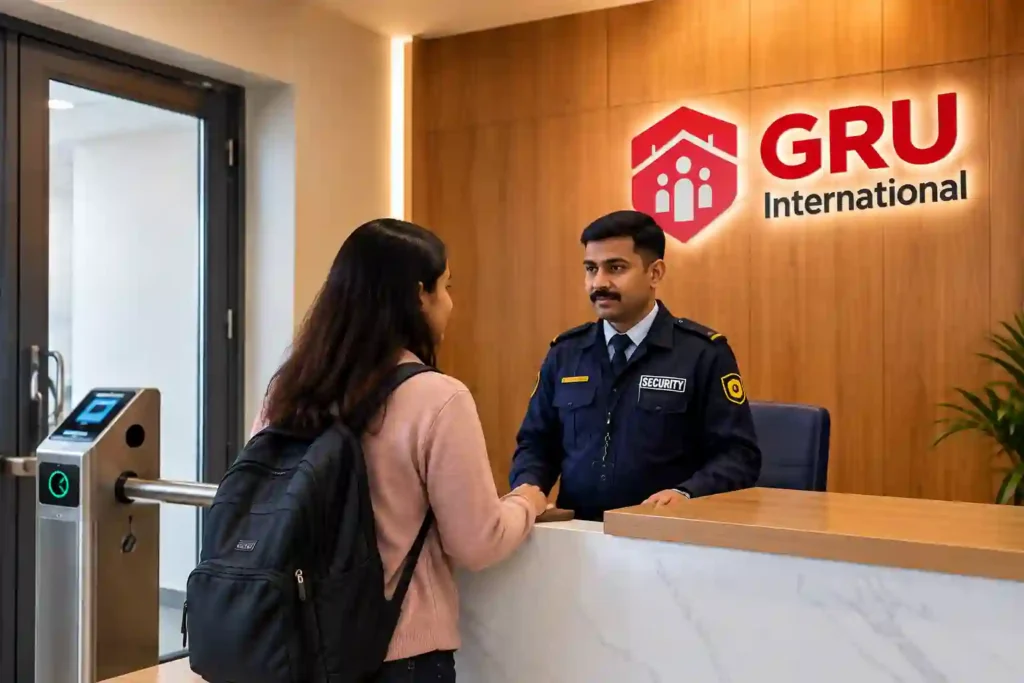
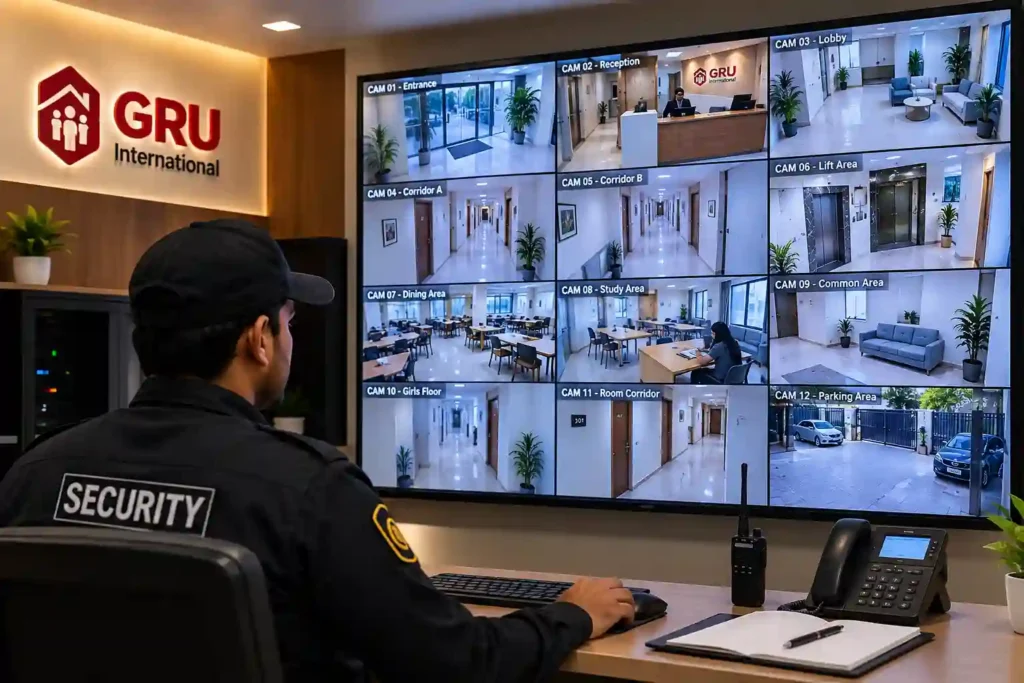
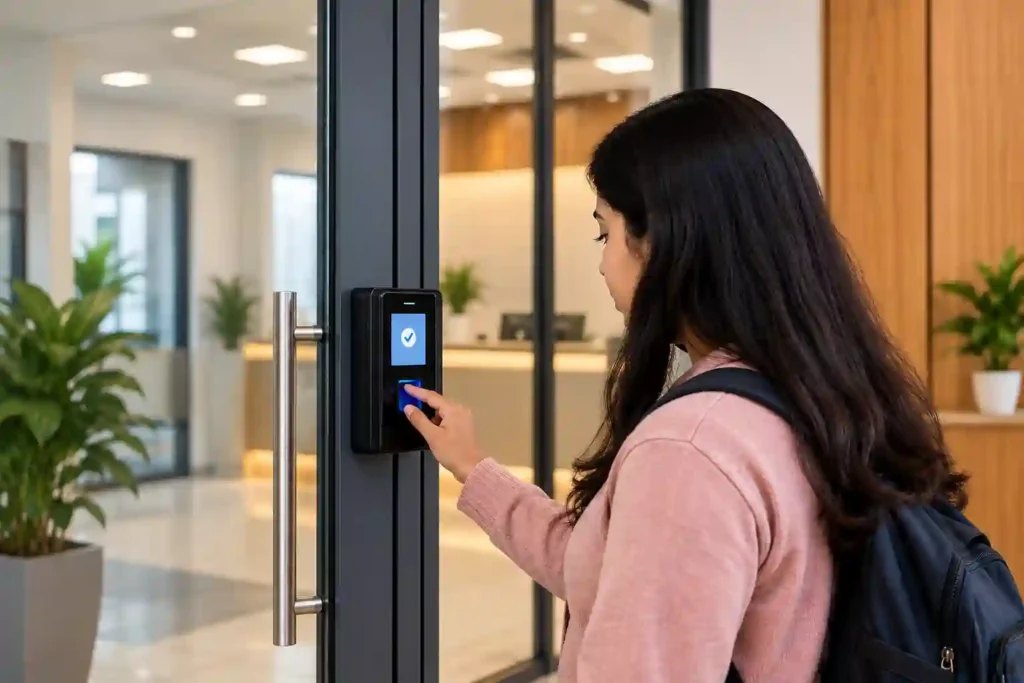
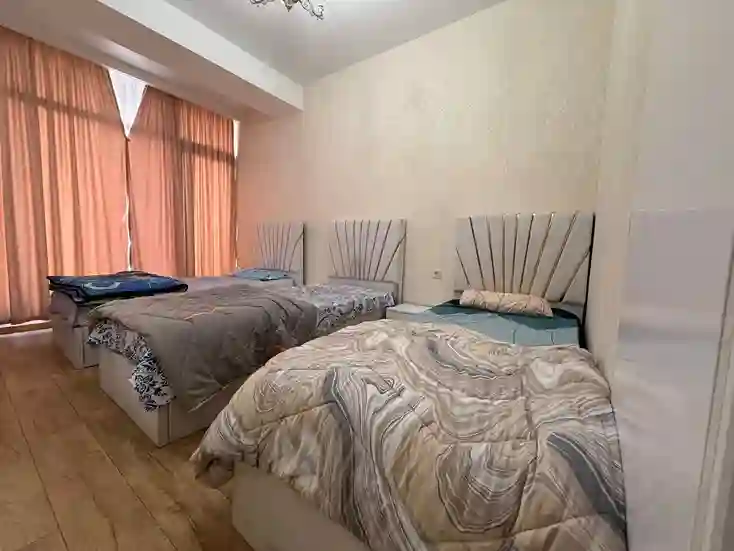
- Premium 2-Seater, Social 3-Seater and Economy 4-Seater rooms
- Daily Indian meals
- Wi-Fi and study-friendly facilities
- 24/7 security and CCTV
- Housekeeping and laundry
- Heating and air conditioning
- Convenient access to nearby universities
Safety is usually the first question from parents of girl students, who often search for a girls hostel in Tbilisi with clear rules and transparent fees. Whichever place you shortlist, ask about security, CCTV and visitor rules before you book.
GRU International Hostel Room Fees
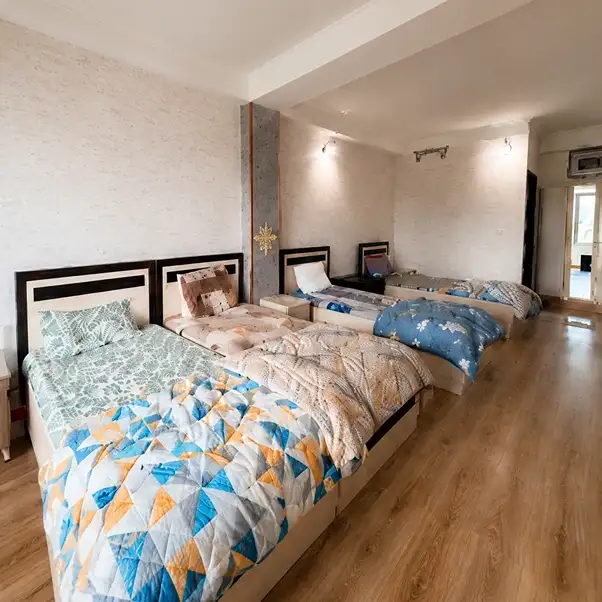
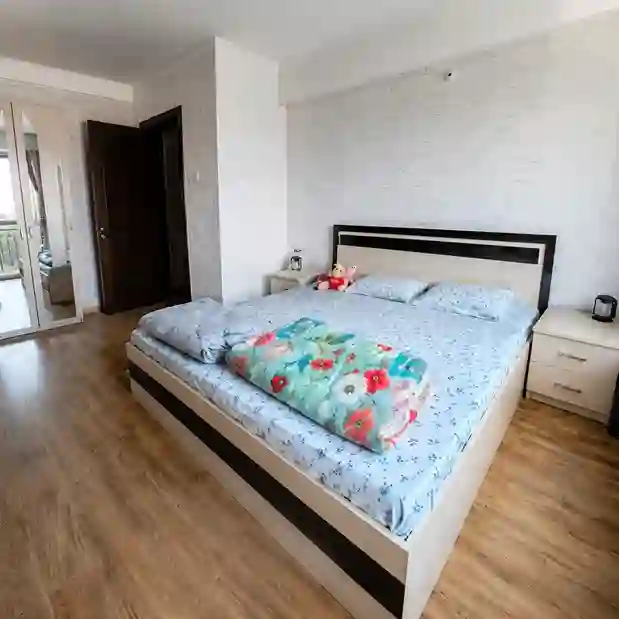
| Room type | Fee per year | Best suited for |
| Premium 2-Seater | $4,500 | Students who want more privacy and quiet for study |
| Social 3-Seater | $4,000 | A balance of budget and company |
| Economy 4-Seater | $3,500 | Students looking for the most affordable option |
If you are comparing hostel fees in Tbilisi, the Economy 4-Seater is the natural starting point for budget-conscious families, while the Premium 2-Seater suits students who need a calmer study space.
How a Month Looks When You Stay at GRU International Hostel
Because housing and daily facilities are covered by the hostel, your remaining monthly spending shrinks to personal costs. Here is a rough guide, assuming the yearly fee covers your room and meals. Please confirm exactly what is included before you pay.
| Monthly expense outside the hostel fee | Estimate (GEL) | Approx. INR |
| Transportation | 40-80 | ₹1,500-2,900 |
| Mobile plan | 30-50 | ₹1,100-1,800 |
| Personal expenses | 80-150 | ₹2,900-5,500 |
| Entertainment and outings | 50-150 | ₹1,800-5,500 |
| Study materials and miscellaneous | 50-100 | ₹1,800-3,700 |
| Estimated extra spending | 250-530 | ₹9,100-19,300 |
That is a much smaller and more predictable number than the full independent-living range above, which is why many parents prefer this setup.
GRU International Hostel vs a Private Apartment
| Factor | GRU International Hostel | Private apartment |
| Room setup | Furnished rooms, 2, 3 or 4 sharing | You arrange furniture and utilities |
| Food | Daily Indian meals | Cook yourself or eat out |
| Internet | Wi-Fi available | Separate internet plan |
| Safety | 24/7 security and CCTV | Depends on building and landlord |
| Cleaning and laundry | Housekeeping and laundry | You handle it yourself |
| Comfort in all seasons | Heating and air conditioning | Depends on the flat |
| Budget | One yearly fee, easier to plan | Rent plus separate bills |
| Privacy | Shared room | More privacy |
A Typical Student Scenario
Think of a first-year student arriving in October. In a private flat, the first week goes into finding groceries, setting up internet and working out who cooks. At GRU International Hostel, the room is furnished, meals are Indian and the student can spend the first week finding the route to the university and meeting classmates. For parents, that difference is worth a lot of peace of mind.
How to Save Money While Living in Tbilisi
You do not need to live on instant noodles to save. These tips are ones students can actually follow:
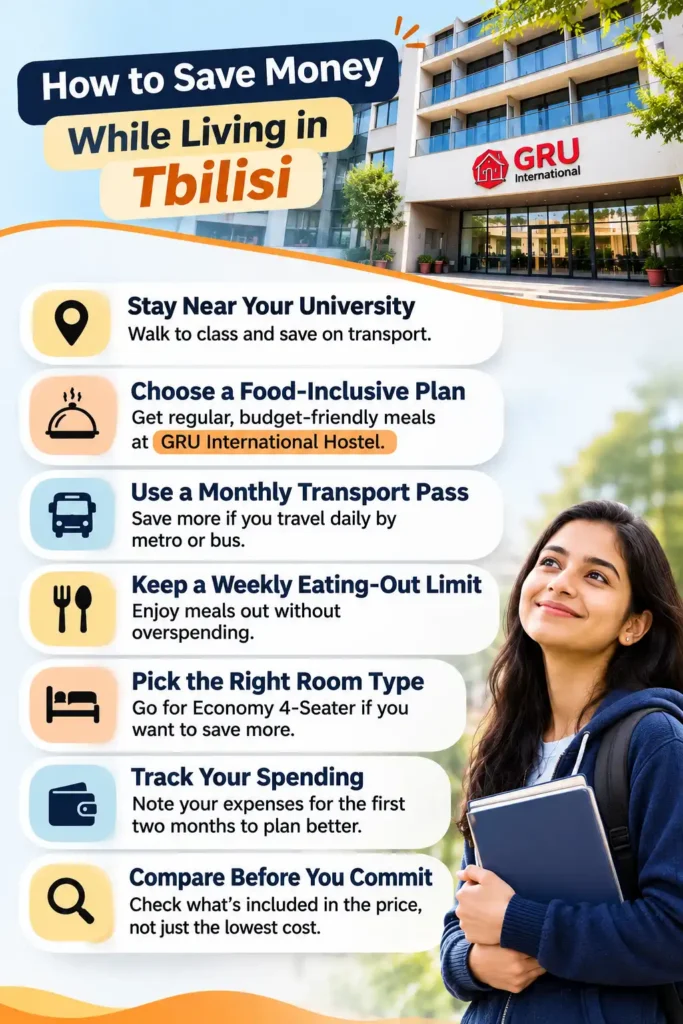
- Choose accommodation near your university. Walking to class saves transport money and early-morning stress.
- Pick a plan that includes food. Predictable meals at a place like GRU International Hostel beat daily “what should we order?” decisions.
- Buy a monthly transport pass if you travel by metro or bus every day.
- Set a weekly cap for eating out. Even a modest cap protects your budget.
- Choose the room type that fits your budget. The Economy 4-Seater costs less per year than the Premium 2-Seater.
- Track spending for the first two months. A simple notes app is enough and by month three you will know your real number.
- Compare before you commit. The cheapest hostel in Tbilisi for Indian students may not be the best value, so check what a low price includes and what it leaves out.
Frequently Asked Questions
What is the average monthly cost of living in Tbilisi for Indian MBBS students?
As a planning estimate, most students living independently should expect roughly 1,350–2,080 GEL a month (about ₹47,000–73,000), including accommodation, food, transport and personal costs. Tuition is extra and your own spending may be lower or higher.
Is Georgia expensive for Indian students?
Georgia is generally considered affordable for Indian students, especially compared with many Western countries. Accommodation and food are the biggest costs and careful planning keeps them under control.
How much does accommodation cost in Tbilisi?
It depends on the type. Shared private flats are often around 600-750 GEL (₹22,000-27,400) per student monthly, while managed hostels charge yearly fees. At GRU International Hostel, rooms are $3,500, $4,000 or $4,500 per year depending on the room type. University hostels may be cheaper, so compare before you commit.
Is Indian food available in Tbilisi?
Yes. Some Indian restaurants operate in the city and student hostels catering to Indian students often provide Indian meals. GRU International Hostel offers daily Indian meals.
Can students save money while studying MBBS in Georgia?
Yes. Living close to your university, choosing accommodation with meals, using a monthly transport pass and tracking spending for the first two months can reduce costs noticeably.
What facilities does GRU International Hostel offer?
GRU International Hostel offers Premium 2-Seater, Social 3-Seater and Economy 4-Seater rooms, daily Indian meals, Wi-Fi and study-friendly facilities, 24/7 security and CCTV, housekeeping and laundry, heating and air conditioning and convenient access to nearby universities.
Final Thoughts: Plan Early, Settle Easily
For MBBS in Georgia for Indian students, the major monthly costs are simple: accommodation, food and transport, followed by smaller personal and study expenses. Planning these three early makes the rest much easier and your first month in a new country is far calmer when you already know where you will stay and eat.
If a managed hostel suits your plan, you can explore rooms, check availability and send an enquiry to GRU International Hostel. Ask your questions early, compare options calmly and choose what fits your budget and routine.